Open 24/7, Monday to Sunday | Serving Willard since 2018(419) 728-3128
Albert Dumpster RentalDumpster Rental Willard, OH
Dumpster Rental Willard, OH

Local debris service

Dumpster Rental Willard, OH

Albert Dumpster Rental confirms placement conditions before delivery, with driveway protection and a documented debris-level check.

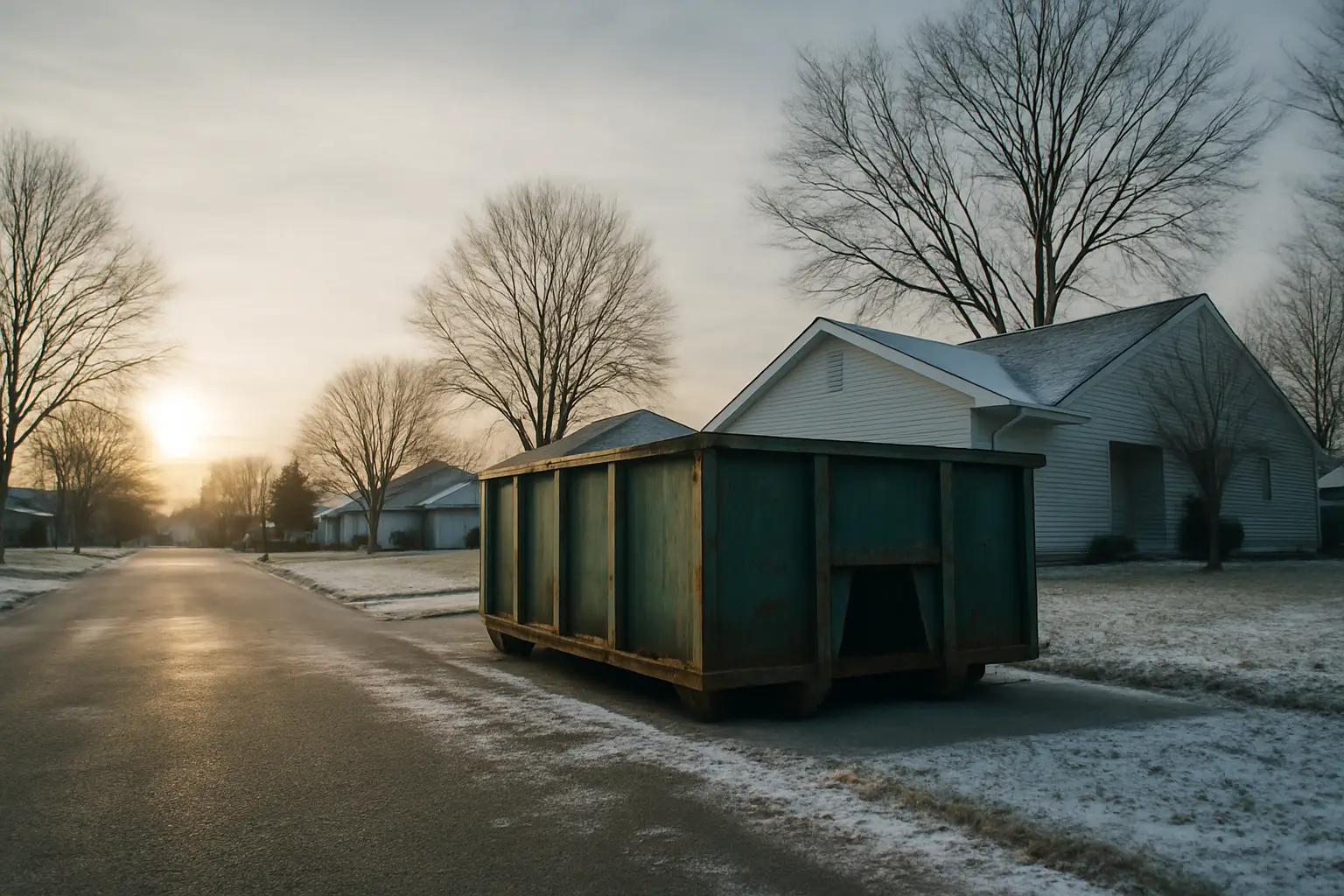
Dumpster Rental Willard, OH gives Albert Dumpster Rental a clear way to handle remodeling debris, household cleanouts, roofing material, and commercial loads. We help choose the container by material, access, and usable volume, then coordinate placement for properties around Willard. Service is available 24/7, Monday to Sunday.

  • Serving since 2018
  • Licensed, bonded and insured
  • 5349+ containers delivered

Local operating knowledge

Willard projects need practical container planning

Albert Dumpster Rental has served the Willard area since 2018, handling the unglamorous parts that determine whether a container job goes smoothly. We look at the driveway surface, overhead clearance, turning room, ground conditions, and the material going inside. That matters on older residential streets, narrow side drives, properties with detached garages, and commercial sites where trucks share space with active work. A container that fits on paper may still be the wrong choice if the truck cannot approach squarely or the debris is too dense for the planned size. Our job is to identify that before delivery, not after a full container is sitting in the wrong place.

Willard has a mix of established neighborhoods, newer residential growth, farms, and commercial properties along its main corridors. Spring mud, summer storms, winter freeze and thaw, and wet ground near drainage areas can all change where equipment should sit. Albert Dumpster Rental schedules delivery windows, protects the driveway where conditions call for it, and checks the final debris level before pickup. We handle household cleanouts, roofing work, renovation material, yard debris, and construction loads with the same basic discipline: confirm the job, inspect access, set the container carefully, and explain what cannot be loaded. You get a practical recommendation rather than an automatic upsell.
  • Open 24/7, Monday to Sunday
  • Serving Huron County

Placement planning

Where a Willard container can safely sit

In Willard, the simplest placement is usually a firm private driveway with a straight approach from the road, but not every driveway offers that setup. Older homes may have narrow drives, soft shoulders, overhead branches, or a detached garage that limits turning room. Newer homes can have concrete approaches, shared drives, or landscaping close to the pavement. A container on a public street usually needs town permission first, so tell us if the driveway will not work. We also need to know about slopes, drainage edges, utility lines, gates, parked vehicles, and low wires. The truck needs a clear route, enough approach distance, and a surface that can support the equipment without rutting or shifting.

Before delivery, move vehicles and trailers, unlock gates, trim or identify low branches, and keep the planned approach free of loose materials. Do not assume a patch of grass beside the driveway is an acceptable substitute, especially after wet spring weather or summer storms. Freeze and thaw can leave shoulders uneven even when the surface looks firm. In a commercial area, the container may need to sit away from loading zones, customer parking, fire access, or delivery paths. Albert Dumpster Rental reviews the proposed location, explains what protection is appropriate, and confirms where the container can be set. If access is too tight or the surface is unsuitable, a different placement or a different pickup plan may be safer than forcing the truck into position.

Size and weight

Willard homes change the container decision

Willard's housing mix creates different debris patterns from one property to the next. Older homes may produce plaster, lath, dense flooring, masonry, cabinets, and layered roofing during renovation. Newer homes often generate drywall, framing offcuts, packaging, trim, and flooring. A garage or estate cleanout is mostly bulky household material, while a bathroom remodel may create a smaller but denser load. Farm and larger-lot properties can add brush, fencing, soil, or outbuilding material, each with different weight and loading concerns. The container size should follow the material, not just the number of rooms. We ask what is being removed, whether it is dry or wet, and how far the debris must be carried to the loading point.

Heavy material deserves special caution. Concrete, brick, dirt, asphalt, and wet soil can make a large container the wrong choice because the load becomes unsafe before the box is full. Shingles also pack tightly and gain weight quickly. Light furniture, cardboard, cabinets, and framing need more room but may not create the same weight concern. During a Willard freeze and thaw cycle, muddy access can also change how the truck reaches the property. Keep dense debris low, spread material across the floor, and never build above the top edge. If the project combines heavy and bulky material, separate the description by type so the recommendation reflects what will actually be loaded rather than an average cleanout assumption.

Common project needs

Dumpster sizes for the work happening here

A container should match both the volume and the weight of your material. These common Willard jobs show where customers usually start, although access and debris type can change the recommendation.

  • Residential Cleanout Dumpsters

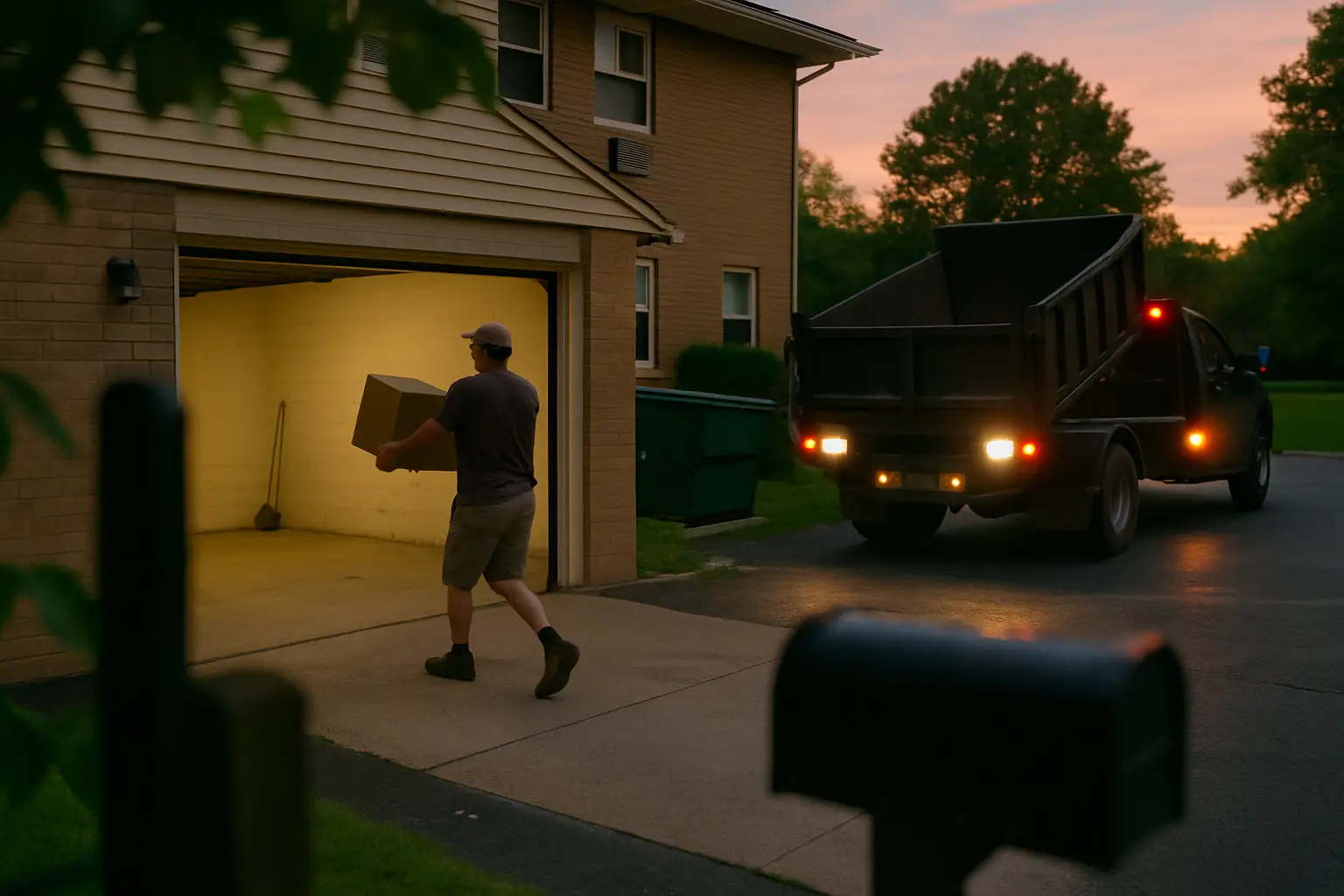
    Use a residential cleanout container for accumulated household contents, garage items, broken fixtures, and ordinary renovation debris. We help separate dense material from bulky light material before choosing a size. Leave room for safe loading, especially where a driveway is shared or the truck must work close to the house.

    Household debris
  • Moving and Estate Cleanouts

    Moving and estate work often combines furniture, boxes, appliances, and loose household material. A 15-Yard or 20-Yard container may fit many jobs, but heavy furniture and tight side drives can affect placement. We discuss the rooms being cleared, loading access, and any items that need separate handling.

    Clear the property
  • Home Renovation Dumpsters

    Bathroom, kitchen, flooring, and room renovation debris fills differently than household contents. Tile, plaster, cabinets, and flooring can become heavy quickly, while cabinets and framing consume space. Tell us which materials are coming out so the container suits the actual work instead of an optimistic estimate.

    Remodel debris
  • Yard Waste Dumpsters

    Yard cleanup can involve branches, brush, soil, sod, and storm debris, and those materials do not all belong together. Brush takes volume while soil and wet material add weight. We can discuss the planned mix, loading method, driveway conditions, and whether the container needs extra clearance from trees.

    Outdoor cleanup
  • Roofing Debris Dumpsters

    Roof replacement produces dense shingles that can exceed a container's practical weight before it looks full. The roof size, tear-off layers, decking, and loading position all matter. We help plan a low, even load and confirm where the truck can safely reach the house without blocking active work.

    Roofing material
  • Same-Day Dumpster Rental

    Same-day availability depends on current equipment, route conditions, access, and the type of container needed. We will not promise a delivery window that the schedule cannot support. If the project is ready, have the placement address, material list, and clear access details prepared for a direct scheduling discussion.

    Urgent cleanup
  • Concrete and Heavy Debris

    Concrete, brick, block, dirt, and asphalt require more careful weight planning than ordinary household debris. These loads are usually smaller than a light cleanout and should not be piled high. Describe the material and approximate area being removed so we can discuss a suitable container and loading limit.

    Dense materials
  • Commercial Construction Dumpsters

    Commercial work often needs a larger container, repeat pickups, or placement around deliveries and equipment. We review the staging area, surface, truck approach, material mix, and site activity before scheduling. A clear plan prevents a container from interfering with crews, customers, access lanes, or building operations.

    Jobsite service
  • Recurring Business Dumpster Service

    Businesses with ongoing cardboard, fixture, renovation, or maintenance debris may need a repeating service plan rather than a single rental. We discuss volume patterns, storage space, pickup access, and changing project demands. The useful schedule is the one your site can actually accommodate without overflow or obstruction.

    Ongoing needs

How scheduling works

A careful plan starts before the truck arrives

  1. Describe the project

    Start with the material, rooms or areas involved, and the point when debris will be ready. Mention concrete, soil, shingles, appliances, or other dense material. Those details affect size and loading guidance more than a rough description such as a small cleanup.

  2. Review the placement

    We discuss the driveway, street, side yard, commercial lot, or other proposed location. Note gates, low branches, utility wires, retaining edges, soft ground, and nearby vehicles. The truck needs a workable approach and enough room to place the container without scraping surfaces or blocking access.

  3. Choose the container

    The recommended size reflects debris volume, material weight, and the way your crew will load. Bigger is not always better for concrete or soil, while a small container can force extra handling on a large cleanout. We explain the practical fit before delivery is scheduled.

  4. Set the delivery window

    Albert Dumpster Rental coordinates a delivery window around the project's readiness and current route conditions. Service is available 24/7, Monday to Sunday. Keep the placement area clear, unlock gates when needed, and move vehicles before the truck arrives so the driver can work without last-minute changes.

  5. Load and arrange pickup

    Load evenly, keep debris below the container's top edge, and follow the material guidance provided for your job. When the work is finished, tell us the container is ready. We check the final debris level and coordinate pickup based on access and the agreed schedule.

Additional cleanup options

Some projects need more than a container

What we check

The details behind a better rental decision

  1. Placement is treated as part of the job

    A container is not useful if it damages a driveway, blocks a narrow lane, or leaves no room for the truck to approach. We consider surface condition, slope, overhead obstacles, turning space, and the path from the road. On Willard properties with older drives or soft shoulders, that review can prevent a costly repositioning later.

  2. Material matters more than a full-looking box

    Shingles, concrete, soil, brick, and wet debris can reach a practical weight limit before the container looks full. Bulky furniture and framing create the opposite problem by consuming space quickly. We ask what is being discarded and explain how to distribute it, because the same size does not suit every project.

  3. The schedule stays grounded in the route

    We coordinate delivery and pickup around the actual condition of the equipment, site, and route rather than making a vague promise. Scheduled delivery windows include a placement review, driveway protection when appropriate, and a final debris-level check. If a requested deadline cannot be supported, we say so and discuss the workable option.

Our working standards

What you can expect from the crew

  • Every placement starts with a review of access, surface, clearance, and truck approach.
  • Material guidance accounts for weight, density, moisture, and how the load will settle.
  • Driveway protection is considered when surface conditions make contact or pressure a concern.
  • Containers stay below the top edge so transport remains stable and compliant.
  • Pickup planning includes the site's current access, vehicles, gates, and changing work conditions.
  • Commercial placements are discussed around deliveries, employees, customers, and active equipment.
  • Licensed, bonded and insured service supports residential, renovation, roofing, and commercial work.
  • Service is available 24/7, Monday to Sunday, with scheduling based on actual conditions.

Rental questions

Answers before you schedule the container

How much does a dumpster rental cost in Willard?

The cost depends on container size, rental duration, delivery access, pickup needs, material type, and whether the load requires special weight planning. A concrete load and a household cleanout should not be priced or sized the same way. Willard driveways, soft shoulders, and street placement can also affect planning. Have the project type, address, material list, and preferred placement ready when you call.

What dumpster size do I need for a home cleanout?

A small garage or limited room cleanout may fit a 10-Yard container, while a larger household or whole-home cleanout may need a 15-Yard or 20-Yard option. Bulky furniture takes space, and dense items change the weight decision. Homes in Willard vary in driveway access and storage layout. Describe the rooms, furniture, appliances, and loading path before selecting a size.

Can a dumpster sit on my driveway?

Yes, a private driveway is often the most practical placement if it has a firm surface, clear approach, adequate width, and enough room for the truck. The driveway must also handle the equipment without unsafe shifting or damage. Older pavement, slopes, soft edges, and spring mud in Willard deserve closer review. Remove vehicles and identify gates, wires, branches, and drainage edges beforehand.

Can I put a dumpster on a Willard street?

Street placement may be possible, but it usually requires town permission before equipment is placed in the public way. Visibility, traffic, parking, drainage, and access for other vehicles all matter. Do not assume a curbside location is automatically allowed in Willard. Tell us the proposed street, frontage, and reason the driveway cannot be used so the applicable requirements can be discussed.

What materials cannot go in a dumpster?

Commonly restricted materials include hazardous chemicals, certain liquids, fuels, pressurized containers, and other items requiring separate handling. Appliances, tires, electronics, mattresses, soil, concrete, and roofing material may also need specific instructions depending on the load. Rules can vary by material and disposal route. Prepare a complete list of unusual items so Albert Dumpster Rental can explain what belongs in the container.

How full can I load a dumpster?

Load debris evenly and keep it below the top edge of the container. Material should not hang over the sides or create an unstable pile, because the load must be covered and transported safely. Heavy debris should stay low and distributed rather than concentrated in one corner. Before pickup, remove protruding pieces and leave the approach clear for the truck in Willard.

Can I get a dumpster delivered the same day?

Same-day delivery depends on current equipment, route conditions, container type, access, and whether the site is ready for placement. It cannot be guaranteed for every request, especially when a specific size or heavy-load plan is needed. Albert Dumpster Rental is available 24/7, Monday to Sunday. Have the address, material, placement location, and project readiness details prepared for scheduling.

What should I do before the dumpster arrives?

Clear vehicles, trailers, tools, loose debris, and other obstacles from the planned placement and truck approach. Check gates, branches, wires, slopes, soft ground, and shared access before delivery. Willard weather can leave shoulders muddy or uneven after rain and freeze-thaw conditions. Confirm where the container should sit and make sure someone can explain the location if the property has unusual access.

Project details ready

Discuss the container before the cleanup starts

Albert Dumpster Rental can help sort out size, material, placement, access, and pickup planning for work around Willard. Service is available 24/7, Monday to Sunday. A direct conversation is especially useful when the project includes dense debris, a narrow driveway, a shared lot, or a requested delivery window.

Phone

(419) 728-3128

The call covers your project material, container size, placement conditions, scheduling needs, and pickup expectations.

Availability

24/7
Monday to Sunday, day and night

Have this ready

  • Project address and placement area
  • Material types and estimated volume
  • Driveway, gate, and access details
  • Preferred delivery and pickup timing

Where we work

Willard, plus New Haven, Monroeville, North Fairfield, Norwalk, Greenwich, Shelby, Bellevue, Plymouth, Milan and New London.

See the full service area list

Get the right container for the work

Before debris starts piling up, discuss the material, access, and placement with Albert Dumpster Rental. We will help you avoid an undersized container, an unsafe heavy load, or a delivery location the truck cannot use.

Click Here to Call(419) 728-3128

Nearby service area

Dumpster service from Willard to nearby towns

Albert Dumpster Rental serves Willard and nearby Huron County communities with residential, renovation, roofing, yard, and commercial containers. Coverage includes New Haven, Monroeville, North Fairfield, Norwalk, Greenwich, Shelby, Bellevue, Plymouth, Milan, and New London. Tell us the exact property location, material, and access conditions so delivery planning reflects the site rather than just the town name.

Downtown WillardNorth WillardSouth WillardWillard HeightsWillard Industrial District

Dumpster Rental in nearby towns

Click Here to Call(419) 728-3128