- Open 24/7, Monday to Sunday
- 5349 + containers delivered
- Serving Huron County
Greenwich conditions
Greenwich driveways need a placement plan
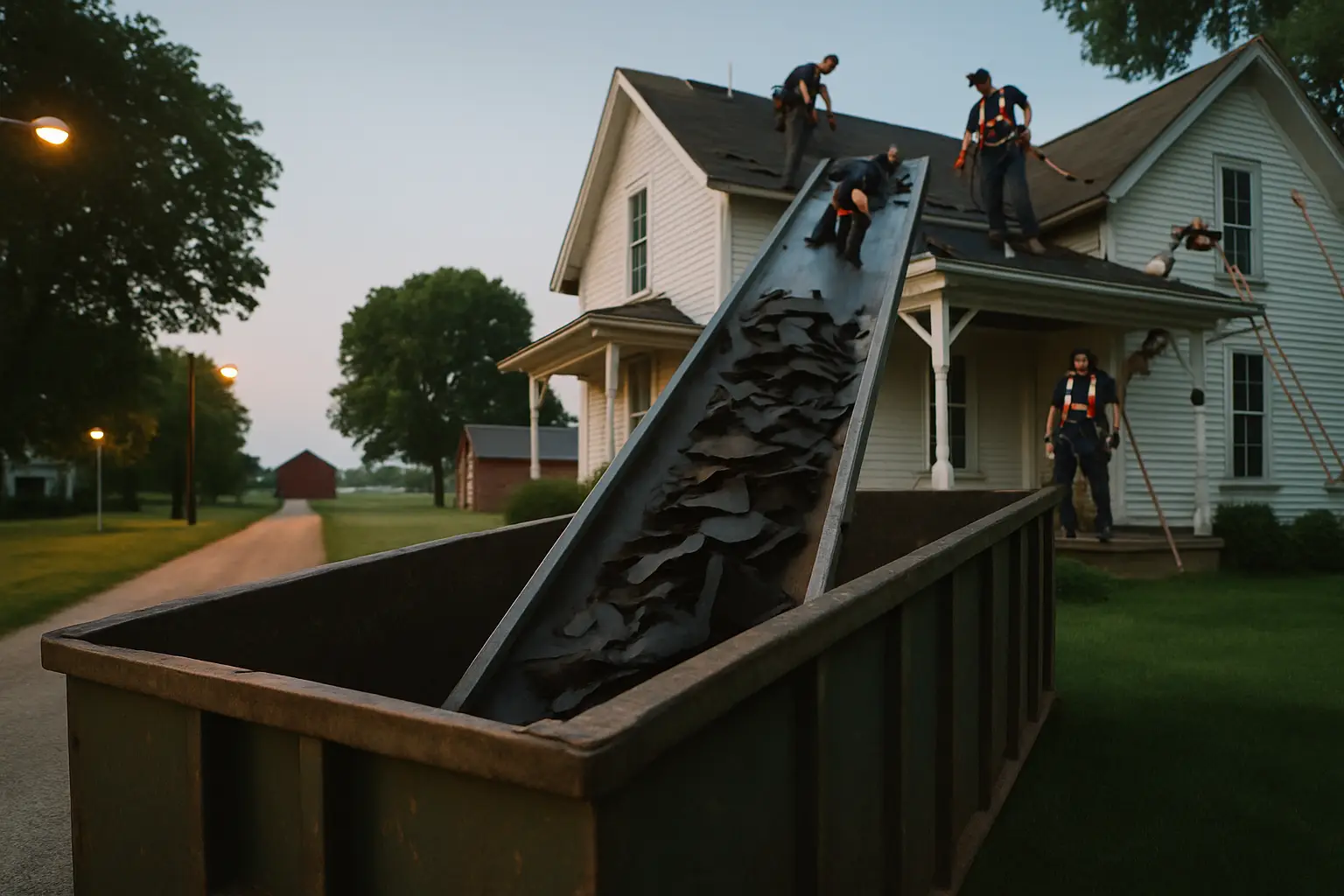
Greenwich includes older homes where driveways may be narrow, sloped, or bordered by soft shoulders instead of broad paved aprons. That matters before a container leaves the truck. Albert Dumpster Rental checks the approach, overhead clearance, turning room, and the surface where the box will rest. A roofing project can produce a dense, concentrated load near the front of the house, while a historic home cleanout may require a different position to keep access open. Tell us about gates, low branches, utility lines, and any grade change so the delivery plan matches the property rather than relying on a generic drop point.
Roofing work is a common reason Greenwich property owners need a container, and weather can change the work area quickly. Spring rain can soften unpaved edges, summer storms can scatter light material, and freeze and thaw cycles can expose weak spots in older driveways. We look at the surface before placement and use driveway protection where conditions call for it. The container still needs a stable, reachable position, so a soft lawn or blocked side lane may not be a safe substitute. If the planned location is on a public street, town permission may be needed first, and the placement details should be settled before delivery.
Greenwich has a small-town mix of established residences, farm-edge properties, and active renovation work along local roads. A container that fits a city alley may not fit a rural approach, and a large box can interfere with equipment, parked vehicles, or a neighbor’s access. Albert Dumpster Rental coordinates a scheduled delivery window and checks the debris level at pickup, helping prevent material from riding above the container walls. The trucks come from Willard, but the placement decision is made for your Greenwich address, its access route, and the load you actually expect.
Common local jobs
Greenwich projects call for different container sizes
The best container depends on the material, the room being cleared, and how easily the truck can reach the work area in Greenwich. These are the jobs we commonly plan around.
Residential Cleanout Dumpsters
For Greenwich homes with accumulated household debris, a container keeps sorting and loading organized. Older houses often have tight side access, so we confirm the driveway and loading path before delivery.
Home clearingMoving and Estate Cleanouts
Moving or settling an estate in Greenwich can combine furniture, boxes, fixtures, and general household material. Choose a position that leaves the home entrance usable while loading proceeds room by room.
House transitionsHome Renovation Dumpsters
Greenwich renovation work may involve plaster, flooring, cabinets, and roofing material from older homes. We match the container to the material and check whether the driveway can handle the planned placement.
Remodel debrisYard Waste Dumpsters
Seasonal pruning and storm cleanup in Greenwich can produce bulky branches, brush, and scattered yard material. Keep brush contained below the rim and separate anything that should not go in the load.
Brush and limbsRoofing Debris Dumpsters
Active roofing projects in Greenwich need a container close enough for steady tear-off loading without blocking ladders or material delivery. We discuss roof size, access, and the safest driveway position.
Roofing loadsSame-Day Dumpster Rental
A same-day request may work when a Greenwich container and truck route are available, but it is not something to promise before access and placement are confirmed. Have the address and load type ready.
Urgent cleanup
Storm cleanup
Load Greenwich brush without overfilling
Storm cleanup in Greenwich often starts with branches across a driveway, fence line, or roof access path. Cut large limbs into manageable sections before loading, and place heavier pieces low so the container stays balanced. Brush should lie inside the walls rather than arching over them. Do not use the container as a tower for loose limbs, roofing scraps, or bagged debris. Overfilled material can fall during handling and may require removal before the container can travel. If the load includes a mixture of branches, shingles, soil, or other dense material, describe it before delivery. The material type affects the useful capacity and the safest way to load the box.
For a Greenwich property near open fields or a soft shoulder, keep the staging area clear of puddles, loose soil, and low branches. After a storm, walk the intended placement route and remove small obstacles that could interfere with the truck. Put brush in one direction, keep sharp ends from sticking outward, and leave room for the driver to inspect the load. Roofing debris should be contained in sturdy bags only when appropriate for the material, never mixed with prohibited items. A final debris-level check helps identify material above the rim before pickup, but careful loading from the start is the better solution.
Before delivery
Prepare the Greenwich property before placement
- Measure the Greenwich driveway width and note slopes, soft shoulders, gates, and overhead branches.
- Keep roofing material, tools, and vehicles clear of the planned container position.
- Protect older pavement and identify any cracks or weak edges before delivery day.
- Confirm town permission if the Greenwich container must sit on a public street.
- Separate brush, dense material, and household debris before loading the container.
Local questions
Answers for Greenwich dumpster rental planning
What size dumpster should I use for roofing in Greenwich?
A 15-yard container often suits a moderate roofing project, while a larger roof tear-off may need a 20-yard or 30-yard container. The right choice depends on roof area, shingle layers, underlayment, and access at the Greenwich property. Keep ladders and material deliveries clear, and describe the roofing material before scheduling.
Can a dumpster go on my Greenwich driveway?
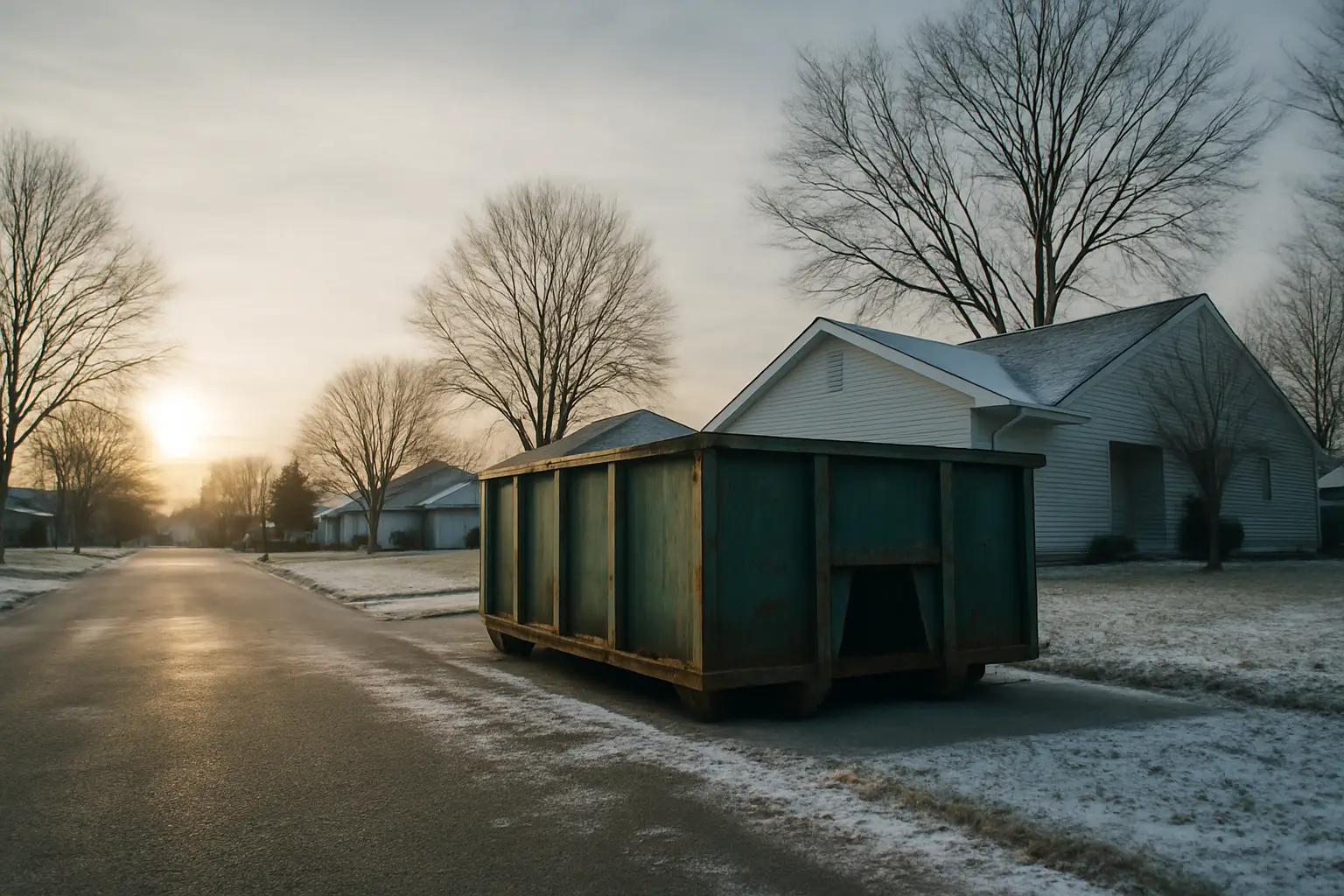
A dumpster can often sit on a Greenwich driveway when the surface, approach, clearance, and truck access are suitable. Older pavement, sloped drives, soft shoulders, and narrow entrances require closer planning. Albert Dumpster Rental can discuss driveway protection and placement before delivery. Clear vehicles and low branches from the route so the driver can inspect the intended position.
Does Greenwich require permission for a street dumpster?
A container placed on a public street usually needs town permission before delivery, although the exact requirement depends on the location and circumstances. Tell Albert Dumpster Rental whether the Greenwich container would occupy pavement, a shoulder, or private property. Have the address, placement side, and expected rental period ready so the applicable process can be explained.
Can I rent a dumpster for storm and yard cleanup in Greenwich?
Yes, a container can handle many Greenwich storm and yard cleanup loads, including brush and branches when loaded below the rim. The material must be described first because soil, dense logs, roofing pieces, and mixed debris can affect the suitable size. Clear the driveway after the storm and cut branches into stable sections before loading.
How far in advance should I schedule a Greenwich dumpster?
Schedule as soon as the project date and placement location are known, especially during active roofing seasons or after storms in Greenwich. Availability depends on the truck route, container size, and access conditions, so no arrival promise should be made before those details are checked. Have the service address, preferred placement, material, and timing ready.
Plan the container around your Greenwich job
Tell Albert Dumpster Rental what you are removing, where the container must sit, and what the driveway is like. Have the property address, access details, material type, and preferred timing ready when you call.
Click Here to Call(419) 728-3128Local routes
Greenwich delivery follows the property access
Albert Dumpster Rental handles Greenwich deliveries from the Willard area and plans each route around the actual street, driveway, and worksite conditions. Service can cover established residential blocks, rural approaches, and local commercial properties when the truck can reach and safely place the container. Share the nearest cross street, gate, slope, and any public-road placement concern before scheduling. That information helps the crew plan for your location instead of assuming every Greenwich address has the same access.